Anti Worm
Anti-worm medicines, also known as anthelmintics, are medications used to treat infections caused by parasitic worms. These parasites can live in the intestines or other tissues and may cause symptoms such as abdominal discomfort, diarrhea, nausea, itching around the anus, fatigue, or nutritional deficiencies.
Showing 13–24 of 60 results
-
 Price range: $31.00 through $200.00 Select options This product has multiple variants. The options may be chosen on the product page
-
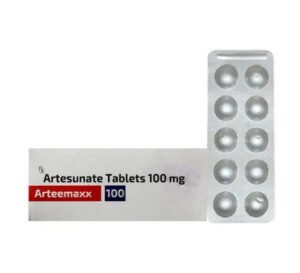 Price range: $35.00 through $223.00 Select options This product has multiple variants. The options may be chosen on the product page
-
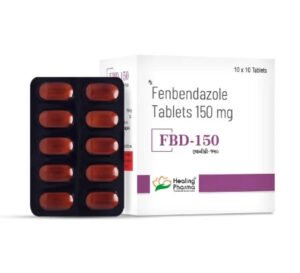 Price range: $38.00 through $243.00 Select options This product has multiple variants. The options may be chosen on the product page
-
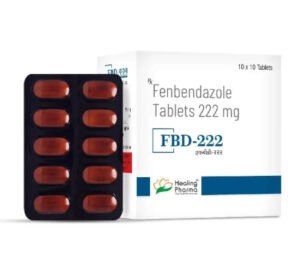 Price range: $38.00 through $246.00 Select options This product has multiple variants. The options may be chosen on the product page
-
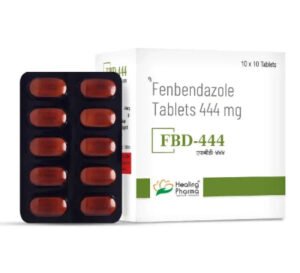 Price range: $38.00 through $246.00 Select options This product has multiple variants. The options may be chosen on the product page
-
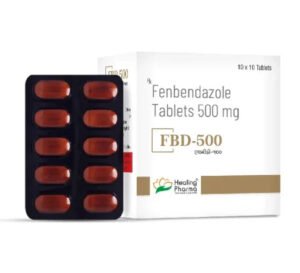 Price range: $38.00 through $246.00 Select options This product has multiple variants. The options may be chosen on the product page
-
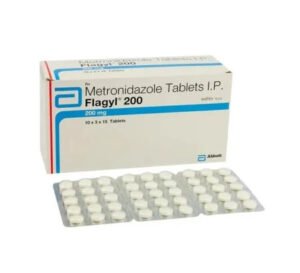 Price range: $36.00 through $228.00 Select options This product has multiple variants. The options may be chosen on the product page
-
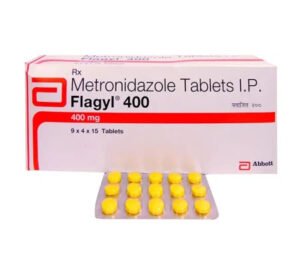 Price range: $36.00 through $228.00 Select options This product has multiple variants. The options may be chosen on the product page
-
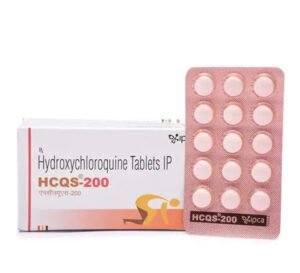 Price range: $32.00 through $206.00 Select options This product has multiple variants. The options may be chosen on the product page
-
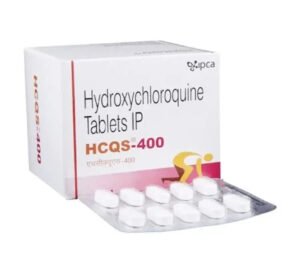 Price range: $41.00 through $266.00 Select options This product has multiple variants. The options may be chosen on the product page
-
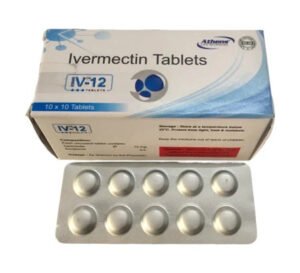 Price range: $54.00 through $348.00 Select options This product has multiple variants. The options may be chosen on the product page
-
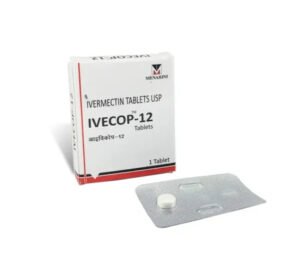 Price range: $60.00 through $391.00 Select options This product has multiple variants. The options may be chosen on the product page
Showing 13–24 of 60 results
What Are Worm Infections?
Worm infections occur when parasitic worms enter the human body and survive by obtaining nutrients from the host or by living in body tissues. Different worms have different life cycles, transmission routes, and effects on health.
Some worms remain primarily in the intestines, while others migrate through tissues or affect organs such as the liver, lungs, muscles, or nervous system.
The impact of an infection depends on the parasite and the number of worms present. Mild infections may cause limited symptoms, whereas heavy or untreated infections can lead to anemia, malnutrition, intestinal obstruction, or organ damage in certain cases.
Common Types of Worm Infections
1. Pinworm Infection
Pinworm, also called threadworm in some regions, is a common intestinal infection, especially among children.
Symptoms may include:
- Itching around the anus, particularly at night.
- Restless sleep or irritability.
- Skin irritation caused by scratching.
- Occasional abdominal discomfort.
Pinworm spreads when microscopic eggs are swallowed, often through contaminated hands, bedding, clothing, or surfaces. Reinfection is common because eggs can persist in the environment.
Treatment may involve mebendazole, albendazole, or pyrantel pamoate, depending on local guidance and the person’s circumstances. A repeat dose may be recommended because treatment may not eliminate all eggs. Household hygiene and, in some situations, coordinated treatment of household members are important.
2. Roundworm Infection
Roundworm infection, commonly caused by Ascaris lumbricoides, usually occurs when eggs are swallowed from contaminated soil, food, or hands.
Possible symptoms include abdominal discomfort, nausea, and changes in bowel habits. Heavy infections can cause intestinal obstruction, while migrating larvae may temporarily cause respiratory symptoms.
Albendazole or mebendazole is commonly used for uncomplicated intestinal ascariasis. Severe or complicated cases require medical assessment.
3. Hookworm Infection
Hookworm infection can occur when larvae in contaminated soil penetrate the skin, often through bare feet.
Possible symptoms include:
- Itchy skin at the site of entry.
- Abdominal discomfort or diarrhea.
- Fatigue and weakness.
- Iron-deficiency anemia, particularly in heavier infections.
Albendazole or mebendazole may be prescribed. Iron deficiency may also require treatment and follow-up testing.
4. Whipworm Infection
Whipworm infection, caused by Trichuris trichiura, is generally acquired by swallowing eggs from contaminated soil or food.
Mild infections may produce few symptoms. More severe infections can cause persistent diarrhea, abdominal pain, anemia, and, particularly in children, impaired growth.
Albendazole or mebendazole may be used, sometimes with a treatment regimen different from that used for other intestinal worms.
5. Tapeworm Infection
Tapeworm infections may result from eating undercooked infected meat or fish, depending on the species. Some intestinal tapeworm infections cause mild digestive symptoms or no symptoms at all.
Praziquantel is used for several intestinal tapeworm infections, while other treatment options may be appropriate in particular cases.
Certain tapeworm species can cause tissue infections. For example, swallowing eggs of Taenia solium can lead to cysticercosis, which may affect the brain or other tissues. This is different from intestinal tapeworm infection and requires specialized medical assessment.
6. Strongyloides Infection
Strongyloidiasis is caused by Strongyloides stercoralis, a parasitic worm that can enter the body through skin contact with contaminated soil.
Symptoms may include abdominal discomfort, diarrhea, skin irritation, or respiratory complaints. Some people remain asymptomatic for years.
Ivermectin is generally the preferred treatment for uncomplicated strongyloidiasis. This infection deserves particular attention before immunosuppressive treatment because it can become life-threatening in people with weakened immunity.
7. Threadworm and Other Tissue-Worm Infections
Some parasitic worms affect tissues rather than remaining in the intestine. Examples include filarial worms and certain parasites that cause trichinellosis or other tissue infections.
Treatment varies substantially by species and disease stage. These infections may require specialist care, laboratory testing, and monitoring for complications. Standard intestinal deworming medicines should not be assumed to treat every tissue-worm infection.
Common Anti-Worm Medicines
1. Albendazole
Albendazole is an anthelmintic medicine used to treat several infections caused by parasitic worms, including certain roundworm, hookworm, whipworm, and tapeworm infections. It is also used for selected tissue infections under specialist supervision.
It works by disrupting essential processes that worms need to maintain their energy supply and survive.
Important considerations:
- The dose and duration depend on the parasite being treated.
- Some infections require additional treatment or follow-up testing.
- Abdominal discomfort, nausea, or headache may occur.
- Liver function and blood counts may require monitoring during prolonged or intensive treatment.
- Pregnancy-related precautions are important, particularly for planned or prolonged treatment.
Albendazole is not an appropriate universal treatment for every parasitic infection.
2. Mebendazole
Mebendazole is used for several intestinal worm infections, including pinworm, roundworm, whipworm, and hookworm.
It interferes with the worm’s ability to use nutrients, helping eliminate susceptible parasites.
Possible side effects include abdominal pain, diarrhea, and nausea. Its suitability depends on age, pregnancy status, the infection being treated, and local prescribing guidance.
3. Ivermectin
Ivermectin is used for certain parasitic infections, including strongyloidiasis and onchocerciasis. It may also be used for other specific parasitic conditions under appropriate medical guidance.
It affects nerve and muscle function in susceptible parasites, leading to paralysis and elimination.
Possible side effects include dizziness, nausea, diarrhea, or itching, depending on the infection and treatment. In some parasitic diseases, treatment can trigger inflammatory reactions as organisms die.
Ivermectin is not a general treatment for all intestinal worms. The appropriate formulation, dose, and precautions depend on the infection and the patient.
4. Praziquantel
Praziquantel is used to treat several infections caused by flatworms, including many tapeworm and schistosome infections.
It changes the permeability of parasite cell membranes, causing muscle contraction and damage to the parasite.
Possible side effects include headache, dizziness, abdominal discomfort, and nausea. Certain infections involving the brain or other sensitive tissues require specialist assessment before treatment because inflammation may cause serious complications.
5. Pyrantel Pamoate
Pyrantel pamoate is used for certain intestinal worm infections, particularly pinworm and, where appropriate, roundworm or hookworm infections.
It causes paralysis of susceptible worms so they can be expelled from the digestive tract.
Side effects may include abdominal cramps, nausea, diarrhea, or headache. Availability, approved uses, and dosing instructions vary by country and product.
6. Other Anthelmintic Medicines
Some infections require medicines that are not routinely used for common intestinal worms. Depending on the parasite, treatment may include triclabendazole, diethylcarbamazine, or other specialized medicines.
These treatments have distinct indications and precautions. A clinician should select the medication based on the parasite, disease location, and relevant test results.
Comparison of Common Anti-Worm Medicines
| Medicine | Common uses | Key consideration |
|---|---|---|
| Albendazole | Several intestinal worms; selected tissue infections | Regimen depends on the parasite and disease |
| Mebendazole | Pinworm, roundworm, whipworm, and hookworm | Not suitable for every worm infection |
| Ivermectin | Strongyloidiasis, onchocerciasis, and selected other infections | Correct diagnosis and dosing are important |
| Praziquantel | Many tapeworm and schistosome infections | Some tissue infections require specialist evaluation |
| Pyrantel pamoate | Pinworm and selected intestinal worms | Product availability and age-related guidance vary |
| Triclabendazole | Fascioliasis caused by liver flukes | Used for a specific parasite infection |
| Diethylcarbamazine | Selected filarial infections | Requires assessment of the parasite and potential complications |
How Do Anti-Worm Medicines Work?
Different anthelmintic medicines target different biological processes in parasites.
- Albendazole and mebendazole: Interfere with microtubule formation and nutrient use in susceptible worms.
- Ivermectin: Disrupts parasite nerve and muscle function, leading to paralysis.
- Praziquantel: Causes changes in parasite cell membranes and muscle contraction.
- Pyrantel pamoate: Produces neuromuscular paralysis in susceptible intestinal worms.
- Triclabendazole: Acts against liver flukes through mechanisms that affect parasite function and structure.
Because each medicine has a different range of activity, treatment should match the organism responsible for the infection.
Symptoms of Worm Infections
Symptoms vary according to the parasite, the number of worms, and the part of the body affected.
Common symptoms include:
- Abdominal pain or cramps.
- Diarrhea, nausea, or other digestive changes.
- Itching around the anus, particularly at night with pinworm.
- Unexplained fatigue or weakness.
- Unintentional weight loss.
- Reduced appetite or nutritional deficiencies.
- Anemia, especially with hookworm infection.
- Visible worms or worm segments in stool in some infections.
- Skin irritation or an unexplained rash in certain infections.
Some people have no obvious symptoms. Symptoms alone cannot reliably identify the type of worm, so testing may be necessary.
How Are Worm Infections Diagnosed?
Diagnosis depends on the suspected parasite and the person’s symptoms, exposure history, and location.
Stool Examination
A stool sample may be examined for worm eggs, larvae, or parasite material. Multiple samples may sometimes be needed because organisms are not always detectable in every sample.
Tape Test for Pinworm
A clear adhesive tape test around the anus, usually performed in the morning before washing or using the toilet, can help detect pinworm eggs. A clinician may recommend repeating the test on several mornings.
Blood Tests
Blood tests may help identify anemia, elevated eosinophils, or other signs associated with certain parasitic infections. Specialized blood tests may be needed for particular tissue-worm infections.
Imaging and Specialized Tests
Ultrasound, CT, MRI, or other investigations may be necessary when a parasite affects organs or tissues. Specialized testing is particularly important for suspected cysticercosis, echinococcosis, or other potentially serious infections.
Testing helps distinguish worm infections from other conditions that can cause similar symptoms.
First-Line Treatment Pathways
Treatment should be based on the suspected or confirmed parasite rather than taking a broad-spectrum medicine without assessment.
- Suspected pinworm: A clinician or pharmacist may recommend an appropriate medicine and hygiene measures. Repeat treatment may be necessary.
- Roundworm or hookworm: Albendazole or mebendazole is commonly used, depending on the infection and local recommendations.
- Whipworm: Albendazole or mebendazole may be prescribed using a parasite-specific regimen.
- Intestinal tapeworm: Praziquantel or another appropriate medicine may be selected after considering the species.
- Strongyloidiasis: Ivermectin is generally preferred for uncomplicated infection.
- Possible tissue-worm infection: Specialist assessment is important because treatment differs by parasite and may cause inflammatory complications.
People who are pregnant, breastfeeding, very young, immunocompromised, or living with liver disease should seek individualized advice before using an anti-worm medicine. Persistent or recurring symptoms also warrant medical review.
Prevention of Worm Infections
Preventive measures reduce exposure to worm eggs and larvae and help prevent reinfection.
Maintain Good Hand Hygiene
Wash hands with soap and water after using the toilet, changing diapers, handling soil, and before preparing or eating food.
Practice Safe Food Preparation
- Cook meat and fish thoroughly according to food-safety guidance.
- Wash fruits and vegetables with safe water.
- Avoid raw or undercooked foods that may carry parasites.
- Prevent cross-contamination between raw meat and ready-to-eat foods.
Use Safe Water and Sanitation
Drink treated or otherwise safe water. Proper sanitation and safe disposal of human waste help reduce environmental contamination.
Wear Footwear in Contaminated Areas
Wearing shoes where soil may be contaminated can reduce the risk of hookworm and certain other soil-transmitted infections.
Reduce Pinworm Reinfection
For pinworm, regular handwashing, short fingernails, morning bathing, and frequent laundering of underwear and bedding can help reduce transmission. Follow local medical advice about household treatment.
Follow Local Deworming Guidance
In areas where soil-transmitted worms are common, public health programs may recommend periodic deworming for specific groups. Individual treatment and public health deworming programs are not the same; recommendations depend on local prevalence, age, and other risk factors.
Possible Complications of Untreated Worm Infections
The risk of complications varies by parasite and infection intensity. Possible complications include:
- Iron-deficiency anemia.
- Malnutrition and impaired growth in children.
- Intestinal obstruction caused by a heavy worm burden.
- Persistent gastrointestinal symptoms.
- Damage to organs or tissues in certain infections.
- Serious illness in immunocompromised people with strongyloidiasis.
- Neurological complications from certain tissue infections.
Prompt diagnosis and appropriate treatment can reduce the risk of these outcomes.
When to Seek Medical Care
Seek medical advice if you notice persistent digestive symptoms, unexplained weight loss, visible worms in stool, ongoing anal itching, suspected exposure to contaminated soil or food, or symptoms that return after treatment.
Seek urgent medical attention for severe or worsening abdominal pain, repeated vomiting, a swollen abdomen with inability to pass stool or gas, blood in the stool, significant dehydration, seizures, severe headache with neurological symptoms, or other signs of serious illness.
Do not repeatedly take anti-worm medicines without confirming the likely cause of persistent symptoms.
Myths and Facts About Anti-Worm Medicines
Myth 1: Every anti-worm medicine treats every worm.
Fact: Different medicines target different parasites. The correct choice depends on the species and where the infection is located.
Myth 2: Everyone should take deworming medicine every month.
Fact: Routine treatment schedules depend on local public health recommendations and individual risk. Monthly treatment is not appropriate for everyone.
Myth 3: Worm infections always cause visible worms in stool.
Fact: Many infections do not produce visible worms. Diagnosis may require stool tests, blood tests, or specialized investigations.
Myth 4: Natural remedies can reliably eliminate parasitic worms.
Fact: Herbal remedies and home treatments have not been shown to replace appropriate, evidence-based anthelmintic therapy.
Myth 5: Symptoms disappearing means the infection is definitely gone.
Fact: Symptoms may improve even when an infection persists. Follow-up testing may be needed for certain parasites or when symptoms continue.
Myth 6: Children are the only people who get worm infections.
Fact: Worm infections can affect people of any age. Exposure depends on sanitation, food safety, travel, occupation, and environmental conditions.
Frequently Asked Questions About Anti-Worm Medicines
Which medicine is commonly used for intestinal worms?
Albendazole and mebendazole are commonly used for several intestinal worm infections. However, pinworm, tapeworm, Strongyloides, and tissue-worm infections may require different medicines. Treatment should match the suspected parasite.
How quickly do anti-worm medicines work?
The time needed to eliminate a parasite varies by medicine and infection. Symptoms may improve over several days, but symptom improvement alone does not confirm that the infection has cleared.
Can anti-worm medicines be taken without a prescription?
Availability varies by country, medicine, and product. Even where certain products are available without a prescription, appropriate selection is important because not every medicine treats every parasite.
Can anti-worm medicines be used in children?
Some anthelmintics are used in children, but the appropriate medicine and dose depend on the child’s age, weight, infection, and local guidance. Do not assume that an adult product or dose is suitable for a child.
Are anti-worm medicines safe during pregnancy?
Some treatments may be used in specific circumstances, but timing, infection type, and potential risks must be considered. Pregnant individuals should consult a qualified healthcare professional before taking an anthelmintic.
Why do worm infections sometimes return?
Reinfection can occur when eggs or larvae remain in the environment, contaminated hands or food transmit the parasite again, or treatment does not fully address the infection. Hygiene measures, correct treatment, and follow-up when indicated can reduce recurrence.
Do anti-worm medicines cause side effects?
They can. Common effects may include nausea, abdominal discomfort, diarrhea, or headache, while some medicines have additional risks. The likelihood and severity depend on the drug, dose, duration, and infection being treated.