Ivermectin
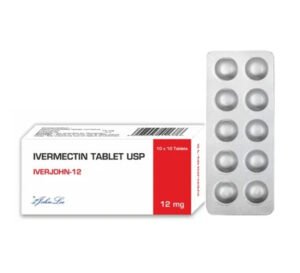
Ivermectin is an antiparasitic medicine used to treat certain infections caused by parasites. Depending on the formulation, it may be prescribed for conditions such as strongyloidiasis, onchocerciasis, and certain external parasitic infestations. Topical ivermectin is also used to treat specific skin conditions, including rosacea and, in some formulations, head lice.
Showing 13–24 of 29 results
-
 Price range: $34.00 through $217.00 Select options This product has multiple variants. The options may be chosen on the product page
-
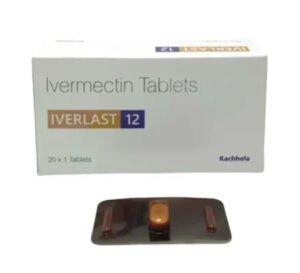 Price range: $39.00 through $254.00 Select options This product has multiple variants. The options may be chosen on the product page
-
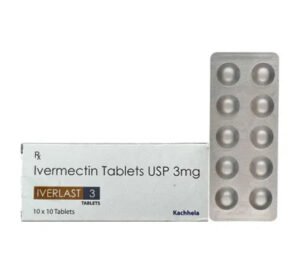 Price range: $35.00 through $223.00 Select options This product has multiple variants. The options may be chosen on the product page
-
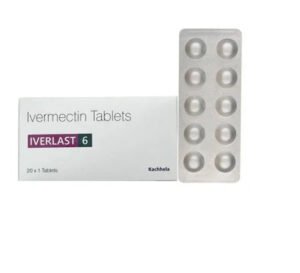 Price range: $38.00 through $246.00 Select options This product has multiple variants. The options may be chosen on the product page
-
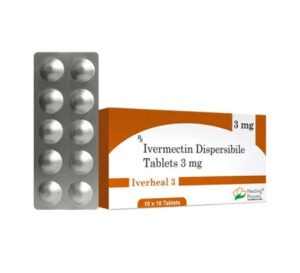 Price range: $25.00 through $163.00 Select options This product has multiple variants. The options may be chosen on the product page
-
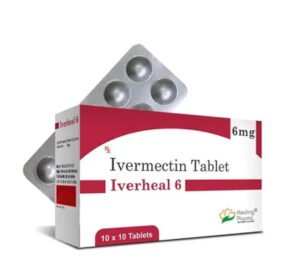 Price range: $28.00 through $180.00 Select options This product has multiple variants. The options may be chosen on the product page
-
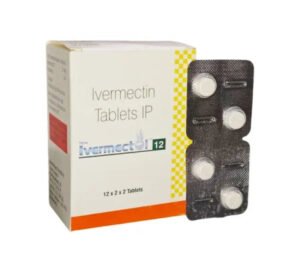 Price range: $54.00 through $348.00 Select options This product has multiple variants. The options may be chosen on the product page
-
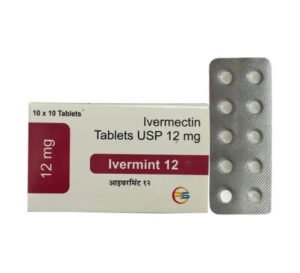 Price range: $54.00 through $348.00 Select options This product has multiple variants. The options may be chosen on the product page
-
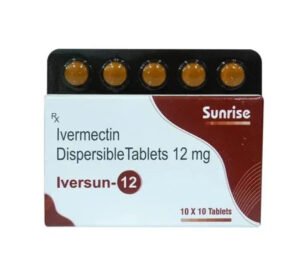 Price range: $27.00 through $171.00 Select options This product has multiple variants. The options may be chosen on the product page
-
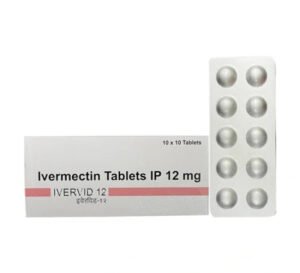 Price range: $54.00 through $348.00 Select options This product has multiple variants. The options may be chosen on the product page
-
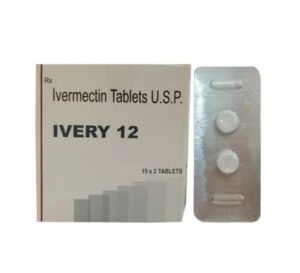 Price range: $54.00 through $348.00 Select options This product has multiple variants. The options may be chosen on the product page
-
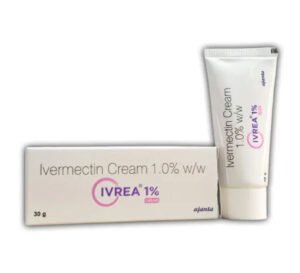 Price range: $17.00 through $76.00 Select options This product has multiple variants. The options may be chosen on the product page
Showing 13–24 of 29 results
Ivermectin is not a general treatment for every parasitic infection, bacterial illness, or viral disease. The appropriate treatment depends on the diagnosis, the patient’s age and weight, medical history, and other medicines being taken. Veterinary ivermectin products should never be used in place of medicines intended for humans.
What Is Ivermectin Used For?
Ivermectin has several established medical uses, depending on whether it is taken orally or applied to the skin.
1. Strongyloidiasis
Strongyloidiasis is an intestinal infection caused by the parasitic worm Strongyloides stercoralis. The infection can persist for years because the parasite may reproduce within the human body.
Ivermectin is generally the preferred treatment for uncomplicated strongyloidiasis. Prompt diagnosis and treatment are particularly important for people who may receive immunosuppressive medicines, as the infection can sometimes develop into a life-threatening condition.
2. Onchocerciasis
Onchocerciasis, also known as river blindness, is caused by the parasitic worm Onchocerca volvulus. It is transmitted through the bites of infected blackflies.
Ivermectin reduces the number of microfilariae, which are immature forms of the parasite, helping control skin symptoms and reducing the risk of eye damage. Treatment may need to be repeated under a public health or specialist-directed program because the medicine does not reliably eliminate all adult worms.
3. Scabies
Scabies is a contagious skin infestation caused by the mite Sarcoptes scabiei. It can cause intense itching, especially at night, along with a rash or small burrows in the skin.
Oral ivermectin may be prescribed for scabies in selected situations, including certain outbreaks or cases where topical treatment is unsuitable or unsuccessful. Treatment often requires repeat dosing according to clinical guidance.
Topical ivermectin products approved for other skin conditions should not automatically be assumed to be suitable for scabies.
4. Head Lice
Certain topical ivermectin formulations are approved for treating head lice. They act against the parasites and can help eliminate an infestation.
Oral ivermectin may be considered in selected cases under medical supervision, depending on local guidance and the circumstances. The appropriate formulation and treatment plan should be confirmed with a healthcare professional.
5. Rosacea
Topical ivermectin cream is used to treat inflammatory lesions associated with papulopustular rosacea, a chronic skin condition that can cause facial redness, bumps, and pus-filled spots.
Its effects may involve activity against inflammatory pathways and skin mites that can contribute to symptoms in some patients. Topical treatment is different from oral ivermectin used for systemic parasitic infections.
6. Other Parasitic Infections
Ivermectin may be used for selected additional parasitic conditions under specialist guidance. However, its effectiveness varies by parasite, and other medicines may be preferred for infections such as tapeworms, many fluke infections, or certain tissue parasites.
A confirmed or suspected diagnosis is important before treatment.
How Does Ivermectin Work?
Ivermectin acts on specific chloride channels in susceptible invertebrates, including parasites. These channels help regulate nerve and muscle activity.
By disrupting normal nerve signaling, ivermectin can cause paralysis and death of susceptible parasites or prevent them from functioning normally.
The medicine’s activity depends on the organism being treated. It does not work against all worms, mites, lice, or other parasites, and it should not be used as a substitute for treatments specifically recommended for a different infection.
Ivermectin Dosage and Administration
The correct ivermectin regimen depends on the condition being treated, the formulation, body weight, and individual health factors. Oral and topical products have different instructions and must not be substituted for one another.
- Oral ivermectin: The dose is generally calculated according to body weight and the specific infection.
- Topical ivermectin cream: Applied to affected skin according to the product’s approved instructions, such as for rosacea.
- Topical ivermectin lotion: Certain formulations are used for head lice and have product-specific application instructions.
Some parasitic infections require a single treatment, while others require repeat doses, longer treatment, or follow-up testing. Do not repeat a dose or extend treatment without appropriate medical advice.
Important Administration Tips
- Follow the prescription and the instructions for the exact product.
- Confirm whether the product is intended for oral use or application to the skin.
- Do not use veterinary formulations.
- Tell your healthcare professional about liver problems, other medical conditions, pregnancy, breastfeeding, and all medicines or supplements you use.
- Ask a pharmacist or clinician for instructions if you vomit after a dose or miss a scheduled dose.
Possible Side Effects of Ivermectin
Ivermectin is generally tolerated when used appropriately, but side effects can occur. Their nature and severity may depend on the dose, the infection being treated, and the body’s response to dying parasites.
Common Side Effects
Possible side effects of oral ivermectin include:
- Nausea.
- Diarrhea.
- Abdominal discomfort.
- Dizziness.
- Fatigue.
- Itching or skin rash.
Topical formulations may cause local irritation, dryness, burning, or redness at the application site.
Less Common but Serious Side Effects
Seek prompt medical attention if symptoms include:
- Severe or persistent dizziness.
- Confusion or altered consciousness.
- Seizures or difficulty walking.
- Significant swelling or a severe skin reaction.
- Yellowing of the skin or eyes.
- Signs of a serious allergic reaction, such as difficulty breathing or swelling of the face or throat.
In certain parasitic infections, particularly those involving high numbers of microfilariae, inflammatory reactions after treatment may cause additional symptoms. Specialist monitoring may be necessary.
Precautions Before Taking Ivermectin
Ivermectin is not suitable for every person or every infection. Important precautions include the following.
Pregnancy and Breastfeeding
Pregnancy-related safety information depends on the formulation and clinical circumstances. Oral ivermectin should be used during pregnancy only when a healthcare professional determines that treatment is appropriate. Advice may differ for topical products.
People who are breastfeeding should discuss the specific product and treatment need with a healthcare professional before use.
Children
The safety and suitability of oral ivermectin depend on the child’s weight, age, infection, and local prescribing guidance. Some oral products have limited safety data in children below particular weight thresholds.
Do not estimate a child’s dose using adult instructions. A qualified healthcare professional should determine the appropriate treatment.
Liver Conditions
People with liver disease should tell their healthcare professional before treatment. Depending on the clinical situation, additional assessment or monitoring may be necessary.
Drug Interactions
Ivermectin may interact with certain medicines. Tell your healthcare professional about prescription drugs, over-the-counter products, and supplements before starting treatment.
Loa loa Infection Risk
People who have lived in or traveled to areas where Loa loa is endemic may require specific assessment before taking ivermectin for some parasitic infections. In people with high levels of Loa loa microfilariae in the blood, treatment can cause severe and potentially life-threatening neurological complications.
Medical assessment is particularly important before treatment for onchocerciasis or other infections in relevant regions.
Ivermectin for Scabies: Important Information
Scabies can spread through prolonged skin-to-skin contact and, less commonly, through shared clothing or bedding. Symptoms may continue for a period after successful treatment because the skin can remain irritated.
Management may involve a recommended topical scabicide, oral ivermectin in appropriate cases, or another treatment based on the patient’s circumstances and local guidance.
To reduce reinfestation:
- Follow the complete treatment plan.
- Treat close contacts when recommended by a healthcare professional.
- Wash recently used clothing, towels, and bedding using appropriate hot-water laundering and drying where possible.
- Seal items that cannot be washed in a bag for the period recommended by local medical guidance.
- Avoid sharing personal items during treatment.
Persistent itching does not always mean treatment has failed. However, new burrows, new lesions, or ongoing symptoms should be reviewed by a healthcare professional.
Ivermectin for Rosacea: Topical Use
Topical ivermectin cream is used for inflammatory lesions associated with certain forms of rosacea. It is not the same as oral ivermectin prescribed for internal parasitic infections.
General precautions include:
- Apply only as directed on the product label or prescription.
- Avoid contact with the eyes, mouth, and other sensitive areas unless specifically directed.
- Do not apply more frequently than instructed.
- Stop using the product and seek advice if a significant reaction develops.
Rosacea can have several contributing factors, so treatment may need to be adjusted according to symptom severity and response.
Ivermectin and Viral Infections
Ivermectin is not an established routine treatment for COVID-19 or other viral infections. Laboratory findings do not by themselves establish that a medicine is safe and effective for treating a disease in humans.
For viral illnesses, use treatments recommended by current clinical guidance and a qualified healthcare professional. Taking ivermectin without an established indication may delay appropriate care and can cause harm, particularly when products intended for animals are used.
Ivermectin Compared With Other Antiparasitic Medicines
| Medicine | Common uses | Key consideration |
|---|---|---|
| Ivermectin | Strongyloidiasis, onchocerciasis, selected scabies or lice cases, and specific topical indications | Appropriate formulation depends on the condition |
| Albendazole | Several intestinal worms and selected tissue infections | Does not treat every parasite |
| Mebendazole | Certain intestinal worm infections | Uses depend on the worm species |
| Praziquantel | Many tapeworm and schistosome infections | Some tissue infections require specialist assessment |
| Permethrin | Certain scabies and lice infestations | Topical treatment with product-specific instructions |
These medicines have different targets and approved uses. The best option depends on the infection and individual circumstances rather than which medicine is considered stronger.
Myths and Facts About Ivermectin
Myth 1: Ivermectin treats every type of worm.
Fact: Ivermectin is effective against certain parasites, but it does not treat all worm infections. The medicine must be matched to the organism.
Myth 2: Ivermectin can be used to treat any viral infection.
Fact: Ivermectin is an antiparasitic medicine, not an established general antiviral treatment. It should not be used for viral illnesses without an approved indication supported by clinical guidance.
Myth 3: Veterinary ivermectin is the same as human medicine.
Fact: Veterinary products may have different concentrations, formulations, and inactive ingredients. They should never be used as substitutes for human medicines.
Myth 4: One dose is always enough.
Fact: Some infections may require repeat doses or follow-up treatment. The regimen depends on the parasite and clinical circumstances.
Myth 5: Topical and oral ivermectin are interchangeable.
Fact: Oral tablets, creams, and lotions are designed for different uses. They must be used according to their specific instructions.
Myth 6: Ivermectin has no side effects because it is an antiparasitic medicine.
Fact: Ivermectin can cause adverse effects and, in certain situations, serious complications. Correct diagnosis, dosing, and medical guidance are important.
Frequently Asked Questions About Ivermectin
What is ivermectin mainly used for?
Ivermectin is used to treat certain parasitic infections, including strongyloidiasis and onchocerciasis. Some formulations are also used for selected cases of scabies, head lice, and rosacea.
Is ivermectin an antibiotic?
No. Ivermectin is an antiparasitic medicine. Antibiotics are used to treat bacterial infections, while ivermectin targets susceptible parasites.
How long does ivermectin take to work?
The response depends on the infection, formulation, and treatment regimen. Symptoms may improve over several days, but improvement alone does not confirm that the parasite has been eliminated. Some infections require follow-up assessment or repeat treatment.
Can ivermectin be taken without a prescription?
Prescription requirements vary by country and product. Because the correct use depends on the parasite, body weight, and safety factors, consult a qualified healthcare professional before taking oral ivermectin.
Can ivermectin be used for children?
It may be used for certain infections in children when appropriate, but age, body weight, formulation, and local guidance determine suitability. A healthcare professional should select the dose and treatment plan.
Is ivermectin safe during pregnancy?
Safety depends on the product and circumstances. Oral ivermectin should not be self-administered during pregnancy. Discuss the potential benefits and risks with a qualified healthcare professional.
Can ivermectin cause drug interactions?
Yes. Certain medicines and health conditions can affect its safety. Provide a complete list of medicines and supplements to your healthcare professional before starting treatment.