Antiviral
Antiviral medicines are medications used to treat infections caused by viruses. They work by targeting specific stages of a virus’s life cycle, such as entering cells, replicating genetic material, or releasing new viral particles. Depending on the infection, antiviral treatment may shorten the duration of illness, relieve symptoms, reduce the risk of complications, or help control a long-term viral infection.
Showing 13–24 of 24 results
-
 Price range: $89.00 through $189.00 Select options This product has multiple variants. The options may be chosen on the product page
-
 Price range: $34.00 through $230.00 Select options This product has multiple variants. The options may be chosen on the product page
-
 Price range: $37.00 through $260.00 Select options This product has multiple variants. The options may be chosen on the product page
-
 Price range: $39.00 through $260.00 Select options This product has multiple variants. The options may be chosen on the product page
-
 Price range: $37.00 through $260.00 Select options This product has multiple variants. The options may be chosen on the product page
-
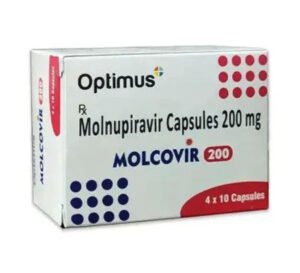 Price range: $185.00 through $459.00 Select options This product has multiple variants. The options may be chosen on the product page
-
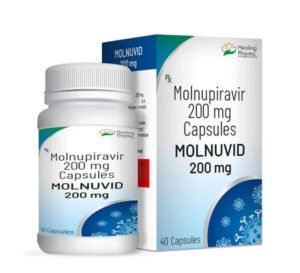 Price range: $175.00 through $455.00 Select options This product has multiple variants. The options may be chosen on the product page
-
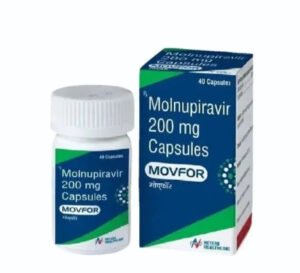 Price range: $185.00 through $465.00 Select options This product has multiple variants. The options may be chosen on the product page
-
 Price range: $175.00 through $455.00 Select options This product has multiple variants. The options may be chosen on the product page
-
 Price range: $57.00 through $491.00 Select options This product has multiple variants. The options may be chosen on the product page
-
 Price range: $55.00 through $303.00 Select options This product has multiple variants. The options may be chosen on the product page
-
 Price range: $55.00 through $299.00 Select options This product has multiple variants. The options may be chosen on the product page
Showing 13–24 of 24 results
What Are Viral Infections?
Viruses are infectious agents that enter living cells and use the cells’ machinery to reproduce. They can affect the respiratory tract, skin, liver, nervous system, digestive system, and other parts of the body.
Common viral infections include:
- Influenza (flu).
- COVID-19.
- Herpes simplex infections.
- Shingles and chickenpox.
- Hepatitis B and hepatitis C.
- Human immunodeficiency virus (HIV) infection.
- Respiratory syncytial virus (RSV) infection.
- Certain viral eye infections.
Many mild viral infections improve with supportive care, such as rest and adequate fluids. Others may require antiviral treatment to reduce the risk of serious illness or to control infection over the long term.
Antibiotics treat bacterial infections, not viral infections. They are used only when a bacterial infection is also present or strongly suspected.
Common Types of Antiviral Medicines
1. Acyclovir
Acyclovir is an antiviral medicine used to treat infections caused by herpes viruses, including herpes simplex and varicella-zoster viruses.
Depending on the formulation and clinical situation, it may be prescribed for cold sores, genital herpes, shingles, chickenpox, or certain serious herpes infections.
Acyclovir interferes with viral DNA replication, helping limit the virus’s ability to multiply.
Important considerations:
- It may reduce the duration or severity of an outbreak.
- It does not eliminate latent herpes virus from the body.
- Treatment is generally more effective when started early.
- Kidney function and adequate hydration are important considerations, particularly with certain doses or intravenous treatment.
Possible side effects include nausea, diarrhea, and headache. Rare but serious kidney or neurological complications can occur, especially in susceptible patients or with inappropriate dosing.
2. Valacyclovir
Valacyclovir is converted into acyclovir in the body and is used for several herpes-virus infections.
It may be prescribed for cold sores, genital herpes, shingles, and other selected herpes-related conditions.
Valacyclovir is absorbed more efficiently than oral acyclovir, which can allow less frequent dosing for certain indications.
Possible side effects include headache, nausea, and abdominal discomfort. People with impaired kidney function may require dose adjustment.
3. Oseltamivir
Oseltamivir is an antiviral medicine used to treat influenza A and B. In selected circumstances, it may also be used to prevent influenza after exposure.
It inhibits viral neuraminidase, an enzyme that helps influenza viruses release newly formed viral particles from infected cells.
Treatment is generally most beneficial when started early, commonly within 48 hours of symptom onset. However, people who are hospitalized, have severe or progressive illness, or are at higher risk of complications may benefit from treatment even when more time has passed.
Possible side effects include nausea, vomiting, and headache. The dose may need adjustment in people with reduced kidney function.
4. Remdesivir
Remdesivir is an antiviral medicine used in selected cases of COVID-19 and certain other approved clinical circumstances, depending on current guidance and local authorization.
It inhibits a viral RNA-dependent RNA polymerase, interfering with the virus’s ability to replicate its genetic material.
Depending on the patient’s risk factors and clinical condition, remdesivir may be administered intravenously in an outpatient or hospital setting.
Possible side effects include nausea and changes in liver enzyme levels. Clinical assessment and appropriate monitoring are important.
5. Nirmatrelvir/Ritonavir
Nirmatrelvir combined with ritonavir is an oral antiviral treatment for eligible patients with COVID-19 who are at increased risk of developing severe disease.
Nirmatrelvir blocks a viral protease needed to process proteins essential for viral replication. Ritonavir slows the breakdown of nirmatrelvir, helping maintain effective drug levels.
Treatment should generally begin within five days of symptom onset when indicated.
Important considerations:
- It can interact with many prescription medicines, over-the-counter products, and supplements.
- Kidney function affects the appropriate regimen, and some patients may not be eligible.
- Severe liver disease and other clinical factors may affect suitability.
- A clinician or pharmacist should review all medications before treatment.
Possible side effects include altered taste, diarrhea, and muscle aches. Treatment eligibility depends on current guidance and the patient’s individual risk.
6. Tenofovir
Tenofovir is an antiviral medicine used in treatment regimens for HIV and for chronic hepatitis B in appropriate patients. Different formulations may be used for different indications.
It belongs to a group of medicines that interfere with viral reverse transcription or DNA synthesis.
Tenofovir is often used as part of a combination regimen for HIV rather than as a standalone treatment. For hepatitis B, it can suppress viral replication and reduce the risk of liver-related complications.
Possible risks include kidney effects and changes in bone mineral density, depending on the formulation and individual circumstances. Medical monitoring is important.
7. Sofosbuvir-Based Treatments
Sofosbuvir is used in combination regimens to treat hepatitis C. It inhibits a viral RNA polymerase required for replication.
Treatment commonly involves combinations with other direct-acting antiviral medicines selected according to the virus genotype where relevant, previous treatment, liver condition, and other clinical factors.
Modern hepatitis C regimens can cure most appropriately treated patients. However, treatment selection and monitoring should be guided by a qualified healthcare professional.
Possible side effects vary by regimen and may include fatigue, headache, and nausea. Important drug interactions must be checked before treatment.
8. Antiretroviral Therapy for HIV
HIV treatment uses combinations of antiretroviral medicines from different drug classes. These medicines suppress viral replication, allowing immune function to improve or remain stable.
Common classes include:
- Integrase strand transfer inhibitors.
- Nucleoside or nucleotide reverse transcriptase inhibitors.
- Non-nucleoside reverse transcriptase inhibitors.
- Protease inhibitors.
- Entry and attachment inhibitors.
Examples of medicines used in HIV treatment include dolutegravir, bictegravir, lamivudine, emtricitabine, and tenofovir, depending on the regimen.
Consistent treatment is essential. HIV treatment can suppress the virus to an undetectable level, preserve immune function, and prevent sexual transmission when sustained viral suppression is achieved. It does not currently eliminate HIV from the body.
9. Ganciclovir and Valganciclovir
Ganciclovir and valganciclovir are used for selected cytomegalovirus (CMV) infections, particularly in people with weakened immune systems or following certain organ transplants.
They interfere with viral DNA synthesis.
These medicines can cause serious adverse effects, including low blood-cell counts and reproductive risks. They require careful prescribing and monitoring and are not appropriate for routine self-treatment.
10. Other Antiviral Medicines
Additional antiviral medicines target specific infections or viral processes. These include:
- Entecavir: Used for chronic hepatitis B.
- Ledipasvir/sofosbuvir: A combination used for selected hepatitis C infections.
- Famciclovir: Used for certain herpes-virus infections.
- Baloxavir marboxil: Used for influenza in eligible patients.
- Selected RSV treatments: Ribavirin may be used in specific circumstances, while preventive monoclonal antibodies are available for certain infants and other eligible groups according to local guidance.
Each medicine has specific indications and safety considerations. Not every medicine described as an antiviral is appropriate for every viral infection.
Comparison of Common Antiviral Medicines
| Medicine | Common use | Important consideration |
|---|---|---|
| Acyclovir | Herpes simplex and selected varicella-zoster infections | Does not eliminate latent herpes virus |
| Valacyclovir | Cold sores, genital herpes, and shingles | Kidney function may affect dosing |
| Oseltamivir | Influenza A and B | Early treatment is generally most beneficial |
| Remdesivir | Selected COVID-19 cases | Requires intravenous administration and clinical assessment |
| Nirmatrelvir/ritonavir | COVID-19 in eligible higher-risk patients | Significant drug interactions are possible |
| Tenofovir | HIV treatment regimens and chronic hepatitis B | Kidney and other monitoring may be required |
| Sofosbuvir-based combinations | Hepatitis C | Combination and duration depend on clinical factors |
| Antiretroviral combinations | HIV | Consistent long-term treatment is essential |
| Ganciclovir/valganciclovir | Selected CMV infections | Blood counts and other safety parameters require monitoring |
How Do Antiviral Medicines Work?
Antiviral medicines target specific processes that viruses need to reproduce. Their mechanisms differ according to the virus and the drug.
- DNA polymerase inhibitors: Interfere with the production of viral DNA. Acyclovir is an example.
- Neuraminidase inhibitors: Prevent influenza virus particles from being released efficiently from infected cells. Oseltamivir belongs to this class.
- RNA polymerase inhibitors: Interfere with viral RNA replication. Remdesivir and sofosbuvir act on viral polymerases.
- Protease inhibitors: Block viral enzymes needed to process proteins for replication. Nirmatrelvir is an example.
- Reverse transcriptase inhibitors: Interfere with the process used by HIV and certain other viruses to convert genetic material.
- Integrase inhibitors: Prevent HIV genetic material from being integrated into the host cell’s DNA.
Antiviral treatment generally works best when the medicine targets a process that is active during the infection. This is one reason why the correct drug and timing are important.
Symptoms That May Be Associated With Viral Infections
Symptoms depend on the virus and the body system affected.
Common symptoms include:
- Fever and chills.
- Cough, sore throat, or nasal congestion.
- Fatigue and muscle aches.
- Headache.
- Skin blisters, sores, or rashes.
- Diarrhea or vomiting in certain infections.
- Swollen lymph nodes.
- Jaundice or abdominal discomfort in some liver infections.
Some viral infections cause few symptoms initially but can lead to complications later. Symptoms alone cannot reliably determine which virus is responsible.
Seek medical assessment when symptoms are severe, persist unexpectedly, or occur in someone at increased risk of complications.
How Are Viral Infections Diagnosed?
Diagnosis depends on symptoms, exposure history, the suspected virus, and the clinical setting.
Medical History and Examination
A healthcare professional may ask about symptom onset, recent contact with infected people, travel, vaccination history, underlying conditions, and medications.
Laboratory Testing
Depending on the infection, tests may include:
- PCR or other nucleic acid amplification tests.
- Antigen tests.
- Blood antibody tests in selected situations.
- Viral load testing for infections such as HIV or hepatitis.
- Liver, kidney, or blood-count tests to assess complications and treatment safety.
Not every viral illness requires laboratory confirmation. Testing is especially useful when the result will affect treatment decisions, infection-control measures, or follow-up.
When Are Antiviral Medicines Most Effective?
Timing varies by infection.
- Influenza: Treatment is generally most beneficial when started within 48 hours, although high-risk or severely ill patients may benefit from later treatment.
- COVID-19: Certain antiviral treatments must begin within a short window after symptoms start, commonly five to seven days depending on the medicine.
- Herpes infections: Treatment is often more effective when started early in an outbreak or when a prescribed suppressive regimen is used.
- HIV: Treatment should begin promptly after diagnosis, according to clinical guidance, and continue consistently.
- Hepatitis B: Treatment decisions depend on viral activity, liver health, and other clinical indicators.
- Hepatitis C: Appropriate direct-acting antiviral regimens can cure most infections, with treatment duration determined by the regimen and clinical circumstances.
Do not start an antiviral based only on symptoms or use leftover medicine from a previous illness.
Possible Side Effects of Antiviral Medicines
Side effects depend on the specific drug, dose, duration, and individual health factors.
Possible effects include:
- Nausea or vomiting.
- Diarrhea or abdominal discomfort.
- Headache or fatigue.
- Dizziness.
- Skin rash.
- Changes in liver enzyme levels.
- Kidney-related adverse effects with certain medicines.
- Drug interactions that increase side effects or reduce treatment effectiveness.
Some antiviral medicines can cause serious reactions or require laboratory monitoring. Seek urgent medical attention for signs of a severe allergic reaction, such as difficulty breathing or swelling of the face or throat.
Before starting treatment, inform the healthcare professional about prescription medicines, nonprescription products, supplements, allergies, pregnancy, breastfeeding, and any kidney or liver problems.
Antiviral Medicines and Antibiotics: What Is the Difference?
Antiviral medicines and antibiotics target different types of infectious organisms.
| Feature | Antiviral medicines | Antibiotics |
|---|---|---|
| Target | Viruses | Bacteria |
| Main action | Interfere with viral replication or other viral processes | Kill bacteria or inhibit bacterial growth |
| Examples | Acyclovir, oseltamivir, selected COVID-19 antivirals | Amoxicillin, doxycycline, azithromycin |
| Appropriate use | Specific viral infections | Susceptible bacterial infections |
| Use for a common cold | Usually unnecessary | Not effective against the virus causing the cold |
Antibiotics should not be used for a viral infection unless a bacterial infection is also present or strongly suspected. Unnecessary antibiotic use can contribute to antimicrobial resistance and cause avoidable side effects.
Prevention of Viral Infections
Antiviral medicines are only one part of managing viral illness. Prevention strategies vary by virus.
Keep Vaccinations Up to Date
Vaccines are available for several viral diseases, including influenza, COVID-19, hepatitis A, hepatitis B, and chickenpox. Vaccination recommendations depend on age, medical history, exposure risk, and local guidance.
Practice Good Hand Hygiene
Wash hands regularly with soap and water, particularly before eating and after using the toilet. Use an appropriate hand sanitizer when soap and water are unavailable.
Reduce Respiratory Transmission
Improve indoor ventilation, avoid close contact when sick, and consider a well-fitting mask in higher-risk settings or when recommended by public health guidance.
Practice Safer Sexual Health
Barrier protection, appropriate testing, and preventive medicines when indicated can reduce the risk of certain sexually transmitted viral infections. HIV prevention may include pre-exposure prophylaxis (PrEP) for eligible people.
Avoid Sharing Contaminated Items
Do not share needles, injection equipment, or personal items that may carry blood or infectious material. Use appropriate infection-control precautions when caring for someone with a contagious illness.
Follow Medical Advice for Chronic Viral Infections
People with HIV or hepatitis B may need long-term monitoring and treatment. Regular care helps maintain viral control and reduce the risk of complications.
Myths and Facts About Antiviral Medicines
Myth 1: Antiviral medicines work against every virus.
Fact: Antivirals are usually specific to particular viruses or viral processes. A medicine used for influenza will not automatically treat herpes, hepatitis, or COVID-19.
Myth 2: Antibiotics can treat viral infections.
Fact: Antibiotics target bacteria, not viruses. They should be used only when a bacterial infection is also present or strongly suspected.
Myth 3: Antivirals always cure viral infections permanently.
Fact: Some treatments can cure particular infections, such as most appropriately treated hepatitis C infections. Other antivirals suppress infection or reduce symptoms without eliminating the virus from the body.
Myth 4: Antiviral medicines can be taken whenever symptoms appear.
Fact: Treatment depends on the suspected virus, timing, medical history, and drug interactions. Unsupervised use can be ineffective or harmful.
Myth 5: Natural supplements can replace prescribed antiviral treatment.
Fact: Supplements have not been shown to replace established antiviral therapy for infections that require medical treatment. Some supplements may also interact with antiviral medicines.
Myth 6: If symptoms improve, treatment can always be stopped.
Fact: Treatment duration depends on the infection and medicine. Stopping early or missing doses can reduce treatment effectiveness or cause other problems. Follow the prescribed plan unless a healthcare professional advises otherwise.
Frequently Asked Questions About Antiviral Medicines
What are antiviral medicines used for?
They are used to treat specific viral infections, including influenza, herpes infections, selected cases of COVID-19, HIV, hepatitis B, and hepatitis C. The choice depends on the virus and the patient’s clinical condition.
Are antiviral medicines available without a prescription?
Availability depends on the medicine and country. Many antiviral medicines require a prescription because they have specific indications, dosing requirements, and potential drug interactions.
Can antiviral medicines cure viral infections?
Some antivirals can cure certain infections, including most appropriately treated hepatitis C infections. Others control viral replication, reduce symptoms, or lower the risk of complications without eliminating the virus completely.
Can antiviral medicines cause side effects?
Yes. Side effects vary by medicine and may include nausea, headache, diarrhea, or fatigue. Certain drugs can also affect the liver or kidneys or interact with other medications.
Can antiviral medicines be taken with antibiotics?
Sometimes, but only when both treatments are clinically indicated. A healthcare professional should review potential interactions and determine whether a bacterial infection also requires treatment.
Are antiviral medicines safe during pregnancy?
Safety varies considerably by medicine and infection. Some antiviral treatments may be recommended during pregnancy when the benefits outweigh potential risks, while others require special precautions. Medical guidance is essential.
What should I do if I miss an antiviral dose?
Follow the instructions supplied with the medicine or contact a pharmacist or healthcare professional. Advice varies by drug and timing. Do not automatically double the next dose.