
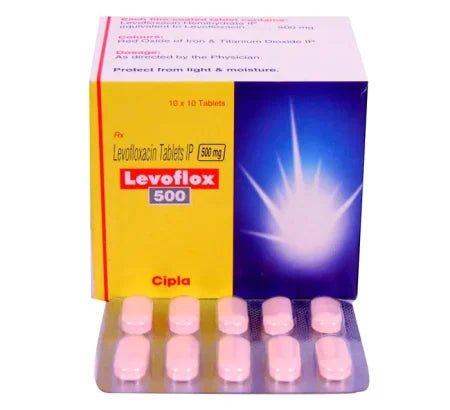
Levoflox 500mg Tablet: Overview
Levoflox 500mg Tablet contains 500 mg of levofloxacin, a fluoroquinolone antibiotic. It is prescribed for certain bacterial infections, not illnesses caused by viruses such as colds or influenza.
The 500mg strength is used for some infections when a prescriber considers levofloxacin appropriate. The right strength depends on the infection, kidney function, age, other medicines, and individual health factors, so a larger amount is not automatically better.
Uses of Levoflox 500mg Tablet
Levofloxacin works by blocking bacterial enzymes needed for DNA copying and repair. This prevents susceptible bacteria from multiplying, but it does not treat viral infections and should only be used when prescribed for a bacterial condition.
- Certain bacterial infections of the lungs and airways, including some cases of pneumonia
- Selected urinary tract and kidney infections
- Some bacterial infections affecting the skin and soft tissues
- Other susceptible infections when a healthcare professional determines that levofloxacin is suitable
How to Take Levoflox 500mg Tablet
Take Levoflox 500mg exactly as directed by your doctor or pharmacist. Swallow the tablet with water and do not crush or chew it unless a healthcare professional tells you otherwise. Treatment duration varies by infection; complete the prescribed course unless your prescriber changes the plan.
Keep doses separate from products containing aluminum, magnesium, iron, or zinc, including some antacids and mineral supplements, because they can reduce absorption. Ask a pharmacist how to arrange these products. Do not take an extra tablet after a missed dose without professional guidance, and never share this antibiotic with another person.
Strengths available
- Levoflox 250mg Tablet
- Levoflox 500mg Tablet
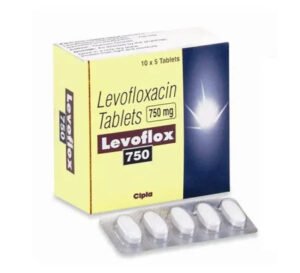
- Levoflox 750mg Tablet
These strengths contain different amounts of the same active ingredient. Use only the strength and instructions supplied for your prescription; do not switch between them independently.
Possible Side Effects
- Nausea, diarrhea, stomach discomfort, or vomiting
- Headache, dizziness, or difficulty sleeping
- Changes in taste or reduced appetite
- Skin rash or increased sensitivity to sunlight
- Serious diarrhea that is persistent, watery, or bloody can occur during or after treatment and requires prompt medical attention
- Stop and seek urgent medical help for tendon pain or swelling, numbness or burning, severe mood or behavior changes, seizures, breathing difficulty, facial swelling, or a severe rash
Precautions & Warnings
- Tell your doctor if you have had tendon problems, peripheral neuropathy, seizures, heart rhythm problems, aortic aneurysm, myasthenia gravis, diabetes, or kidney disease.
- Older adults and people taking corticosteroids may have a higher risk of tendon injury. Avoid strenuous activity and report tendon pain promptly.
- Levofloxacin can cause dizziness or visual changes. Avoid driving or operating machinery until you know how it affects you.
- Tell your healthcare professional about all medicines and supplements, especially antiarrhythmics, corticosteroids, warfarin, diabetes medicines, antacids, and mineral products.
- Use during pregnancy or breastfeeding only when specifically assessed and recommended by a healthcare professional.
- Do not use it for a viral cold or flu, and do not stop or restart treatment without medical advice.
Storage
Store Levoflox 500mg Tablet in its original package at room temperature, away from excess heat, moisture, and direct light. Keep it out of the reach of children, and do not use tablets that are damaged or past their expiration date.
Frequently Asked Questions about Levoflox 500mg Tablet
What does the 500mg amount in Levoflox 500mg Tablet mean?
Each tablet contains 500 milligrams of levofloxacin. This identifies the amount of active ingredient in one tablet, not a recommendation that this strength suits every infection. Prescribers select the strength and treatment duration according to the bacteria involved, infection site, kidney function, and other personal factors.
Can Levoflox 500mg Tablet treat a cold or the flu?
No. Colds and influenza are usually caused by viruses, while levofloxacin treats certain bacterial infections. Taking an antibiotic for a viral illness will not make it resolve faster and may expose you to unnecessary side effects. Use this medicine only for the bacterial infection and instructions identified by your healthcare professional.
Why should antacids or mineral supplements be separated from this tablet?
Aluminum, magnesium, iron, and zinc can bind to levofloxacin in the digestive tract and reduce how much medicine enters the bloodstream. This includes some antacids, multivitamins, and mineral supplements. Ask your pharmacist for product-specific timing instructions rather than guessing or changing your antibiotic schedule.
What should I do if my tendon becomes painful while taking it?
Stop exercising the affected area and contact your doctor promptly if you develop tendon pain, swelling, stiffness, or a sudden snap, particularly around the ankle or heel. Fluoroquinolones can rarely cause serious tendon injury. Seek urgent care for severe pain, loss of movement, or a suspected tendon rupture.
Is diarrhea after treatment with Levoflox 500mg Tablet always harmless?
Mild loose stools can occur, but persistent, severe, watery, or bloody diarrhea may indicate an antibiotic-associated intestinal infection. It can develop during treatment or after the course ends. Contact a healthcare professional promptly if this happens, and do not take an anti-diarrheal product without asking for advice.
Disclaimer: This information is for educational purposes only and is not a substitute for professional medical advice. Always consult your doctor or pharmacist before starting any medication.
Reviews
There are no reviews yet.